The Geometry of Stillness
On pool, patience, and the discipline of the deliberate man.
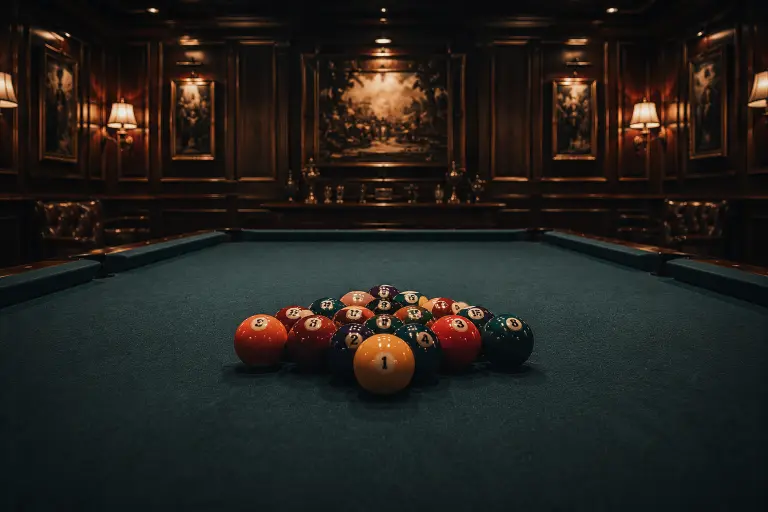
The room is never entirely quiet. There is the low murmur of conversation somewhere behind you, the faint clink of glass, the occasional shift of light as someone moves through it. But at the table, none of that exists. There is only the green felt stretching before you, the precise geometry of colored spheres, and the decision you are about to make calmly, without apology, without rush. Pool is many things to many men. But to those who truly understand it, it is not a game at all. It is a practice. A language of angles, weight, and restraint that rewards the composed and quietly punishes the impulsive. The man who plays pool well is rarely the loudest man in the room. He is the one watching. Measuring. Waiting for the moment he has already prepared for.
The Art of Controlled Force
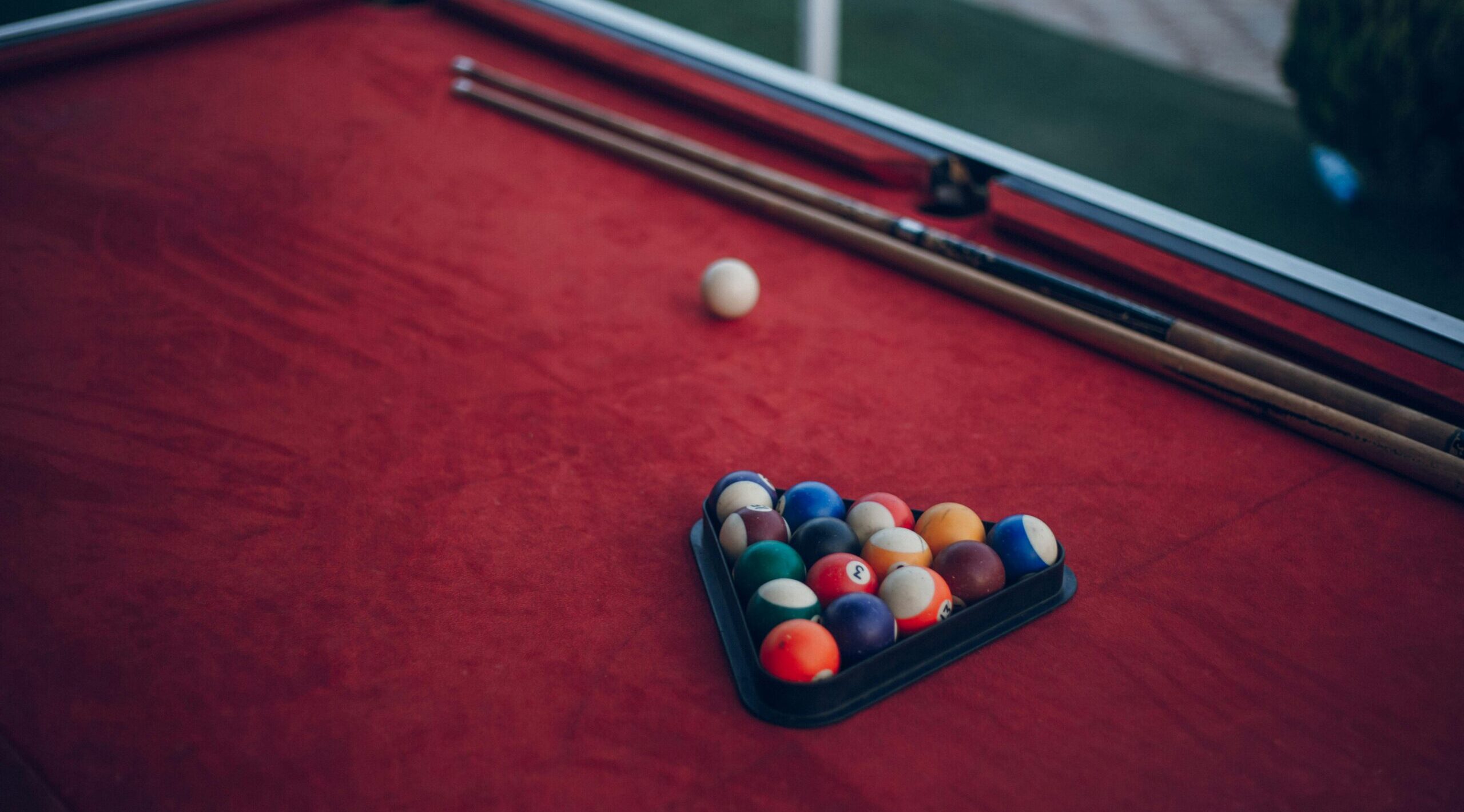
There is a common misconception about precision that it belongs to the cautious, the tentative, the overly careful. Pool dismantles that idea completely. The most precise shots are not the softest ones. They are the ones delivered with exactly the right amount of force no more, no less. Too much, and the outcome spills beyond your intention. Too little, and the shot dies before it can do what you designed it to do. This is not violence. It is control. The distinction matters. A man who confuses force with power rarely produces anything lasting.
But the man who understands the difference who can summon exactness on command, who can modulate his energy to match the requirement of the moment that man builds things that hold.Every shot in pool is a small thesis on cause and effect. The cue ball does not lie. It travels exactly where the physics of your decision sends it. There is no negotiating with it afterward. Which means the thinking must happen before. Always before.
"The shot is already over before you take it. What you're doing at the table is simply carrying out what the mind already decided."
Patience as Power
What separates a recreational player from a true student of the game is not eye-hand coordination. It is the willingness to leave a shot unmade. To look at a tempting opportunity and choose, deliberately, to pass to play position instead of glory, to think two moves ahead instead of savoring this one.
In a world that has confused speed with intelligence, this kind of restraint reads as weakness to those who don't understand it. Let them misread it. The patient man is not waiting because he lacks conviction. He is waiting because he understands that timing is not about urgency. It is about readiness. The shot offered too early is rarely the shot worth taking.
A man who has internalized this doesn't only play better pool. He negotiates differently. He builds differently. He speaks differently choosing his words the way a skilled player chooses his angles, with the understanding that a sentence delivered at the wrong moment is as wasted as a perfectly-struck shot into a bad position.
Reading the Table
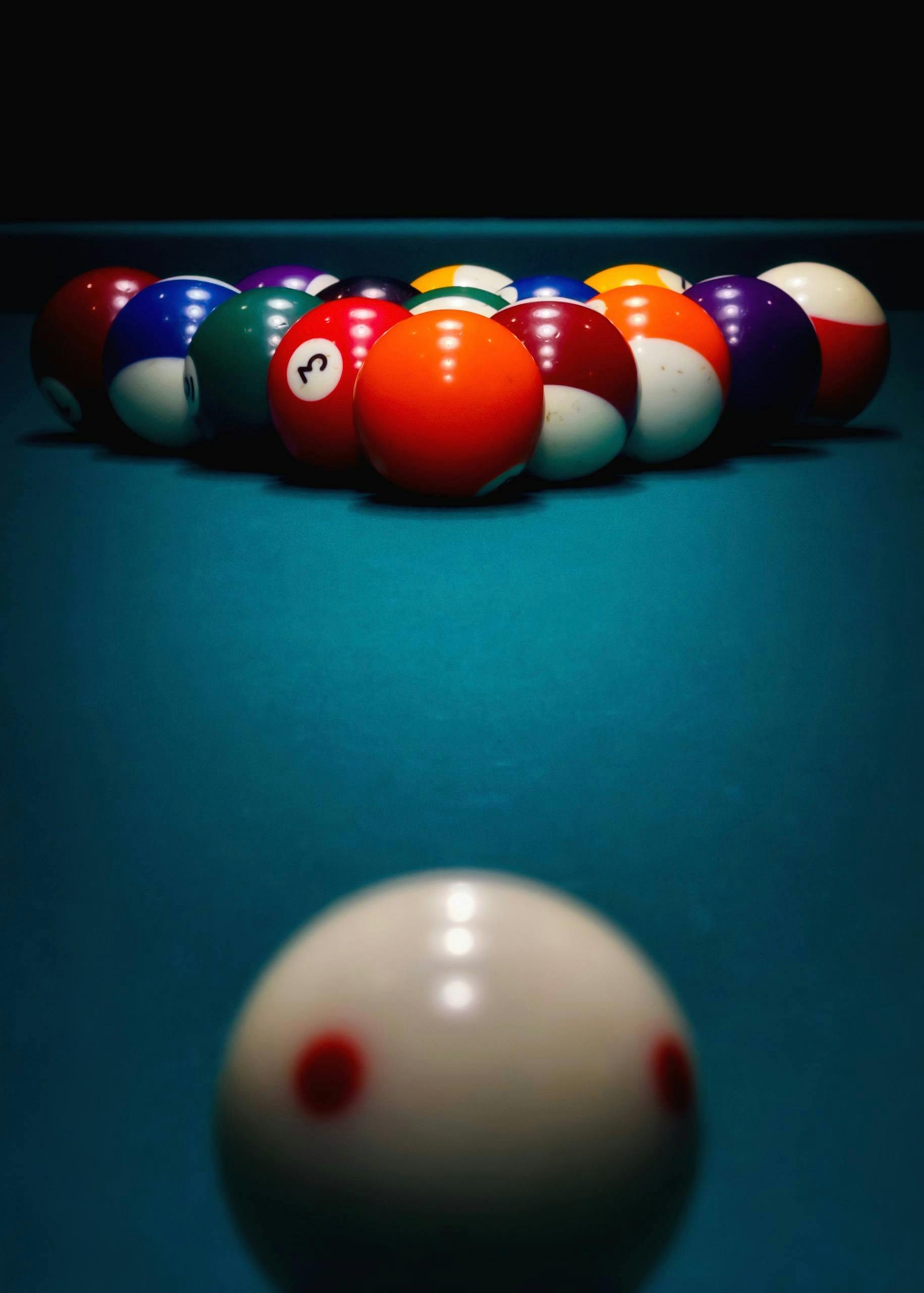
Before every serious player commits to a shot, there is a ritual that looks like stillness but is anything but. He walks the table. He reads it not the shot in front of him, but the story the entire table is telling: where the clusters are, what lies dormant, what breaks open if this ball goes there instead of here. He is not looking at now. He is looking at the four moves that follow now.This is the highest form of the game, and it translates completely to life. The man who sees only the immediate situation is reactive by nature. He responds to what arrives at his door.
But the man who reads the table who sees the full geometry of a situation, who understands that today's decision shapes tomorrow's options that man is not reactive. He is already ahead. Strategy, at its core, is the art of caring more about position than about the immediate shot. Not what feels satisfying now, but what opens up the most possibility later. The men who built enduring careers, lasting partnerships, and genuine authority in their fields all understood this, even if they never played a game of pool in their lives. The principle is ancient. The felt just makes it visible.
The Modern Man, Composed
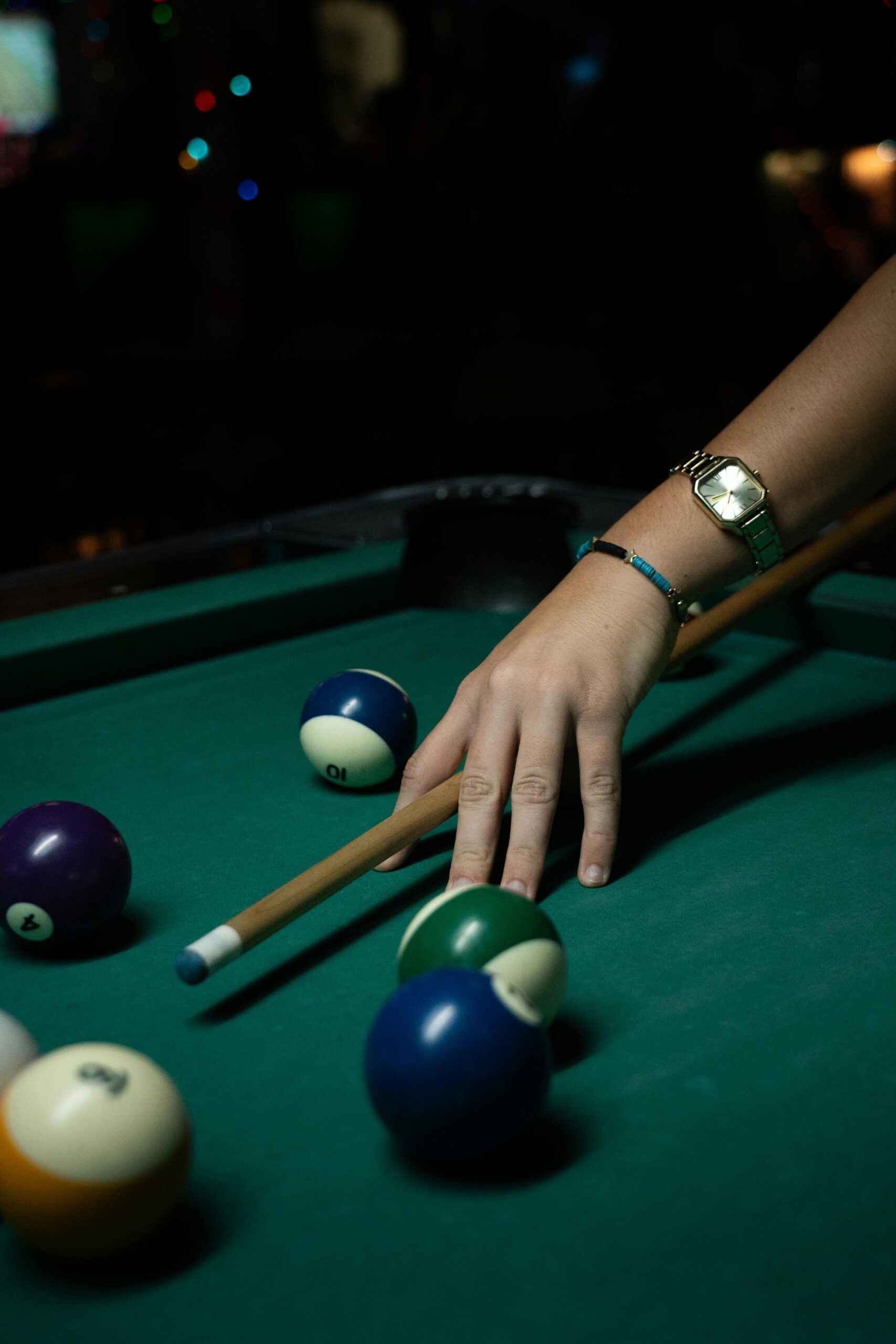
There is a type of man who has become increasingly rare and increasingly valuable: the man who does not perform urgency. Who does not broadcast his ambitions or narrate his work in real time. Who arrives prepared, moves deliberately, and speaks only when the words are worth the silence they're interrupting. He is not cold. He is not distant. He is present in the way that only the truly disciplined can be fully there, fully attentive, uncluttered by the noise of his own ego. He has done the internal work. And because of it, his external presence carries a weight that requires no announcement.
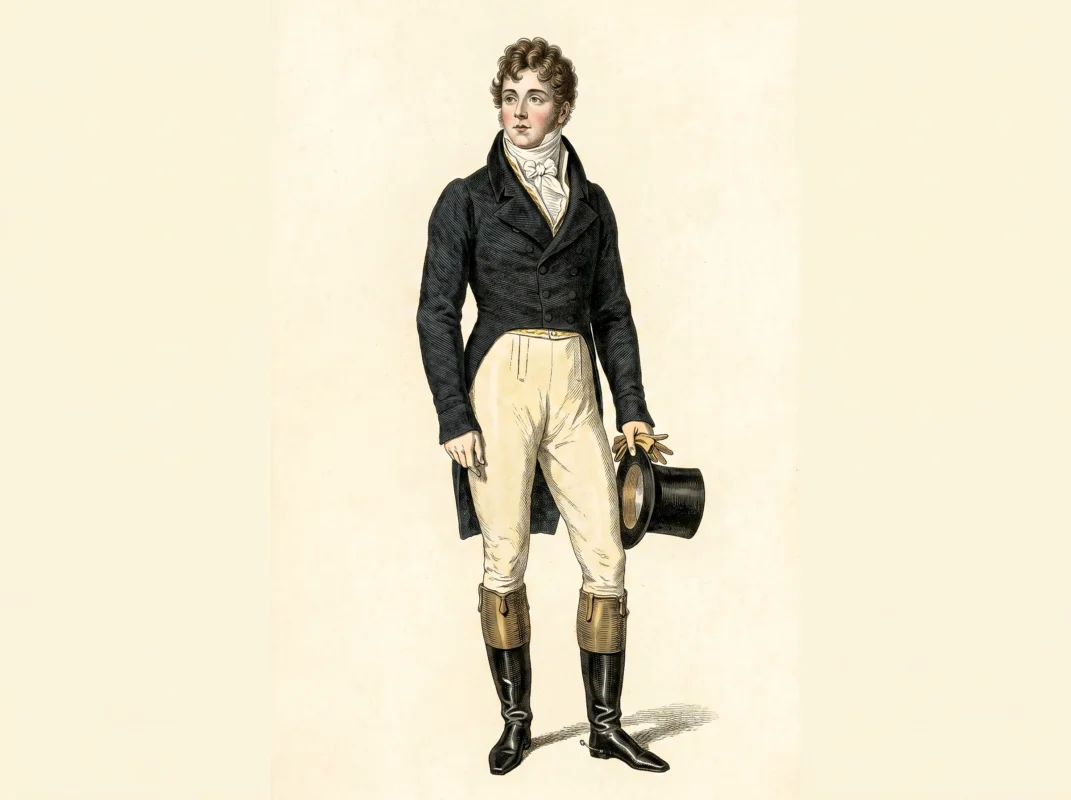
How a man carries himself is not separate from how he thinks. The two are the same statement, made in different languages. The way he moves through a room, the considered ease with which he occupies space, the care evident in the details of how he presents himself these are not vanity. They are vocabulary. They communicate, to anyone paying attention, what kind of mind lives behind the eyes.
The Arnell Colls Standard
This is the understanding Arnell Colls was built on. Not clothing for the man who has finished becoming but for the man who is in the disciplined, deliberate process of it. Every garment conceived with the same principle that governs a well-played table: nothing excess, nothing careless, nothing left to chance. Structure where structure matters. Ease where ease is earned. The man who plays this game well understands something the rest of the room has not yet grasped: that how you present yourself is a decision, not an accident.
That every detail the cut of a jacket, the weight of a fabric, the proportion of a collar is a choice that either reinforces the man you are becoming or quietly contradicts him. Dress For The Man You Are Becoming. Not as a future promise. As a present discipline. The table is always set. The angles are always there for the man patient enough to read them. And the shot when it finally comes belongs entirely to the man who took the time to think it through.
The Final Position
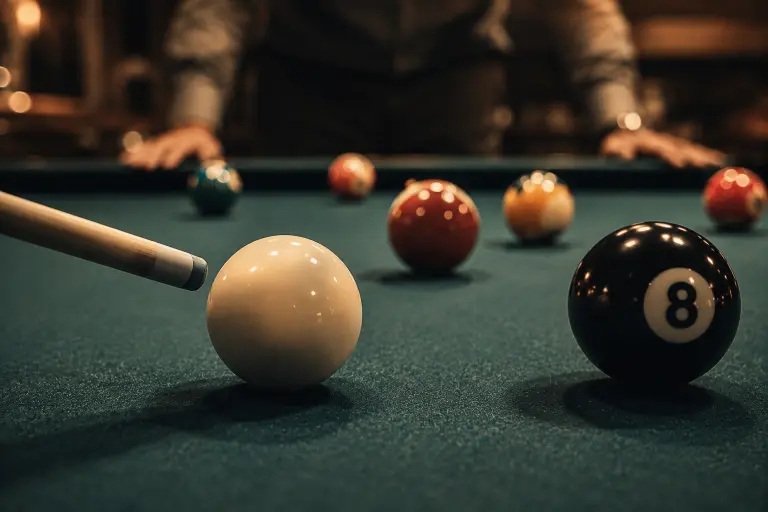
The great players leave nothing behind on the table. Not out of greed, but out of principle because the standard they hold themselves to does not permit waste. Every shot accounts for the next. Every decision carries the weight of its consequence. Nothing is improvised that could have been prepared. This is what it means to be truly composed: not the absence of tension, but the mastery of it. The cue rests easy in practiced hands. The breath slows. The room narrows to a single, clean line of intention.
Then, without ceremony the shot.
"Dress For The Man You Are Becoming."
A R N E L L C O L L S